
three teenage boys pictured from behind jumping into a lake
Tips for Teens with Diabetes

Healthy foods give you energy to live, learn, and be active. Check out these great tips for a healthier you!

three teenage boys pictured from behind jumping into a lake


Why eat healthy foods?

Healthy foods help you to:

  • Grow at a healthy rate and stay active.
  • Keep your blood glucose (GLOO-kos), also called blood sugar, in balance—not too high and not too low.
  • Lose weight slowly, if needed, under your doctor’s care.


Do teens with diabetes need to eat special foods?

No. Meals that are healthy for teens with diabetes are great for everyone—you, your family, and your friends.


How does food affect my body?

Food is the fuel that our bodies use for energy. The three main sources of fuel are carbohydrates (CAR-boh-HY-drates), protein, and fat. The body changes these fuels into glucose for energy or stores them as fat.

Eating a balance of foods that contain carbohydrates (carbs for short), protein, and fat every day will help keep your blood glucose close to normal. It may also keep your weight where you and your doctor want it to be.

Protein

Protein helps build strong muscles and bones. Foods with protein do not make blood glucose go up like carbs do. Having protein in your meal can help you feel less hungry.

Foods that are a good source of protein include: 

  • Meat and poultry without skin or extra fat
  • Fish, low-fat cheese, and eggs
  • Natural peanut butter and soy products like tofu
Fats

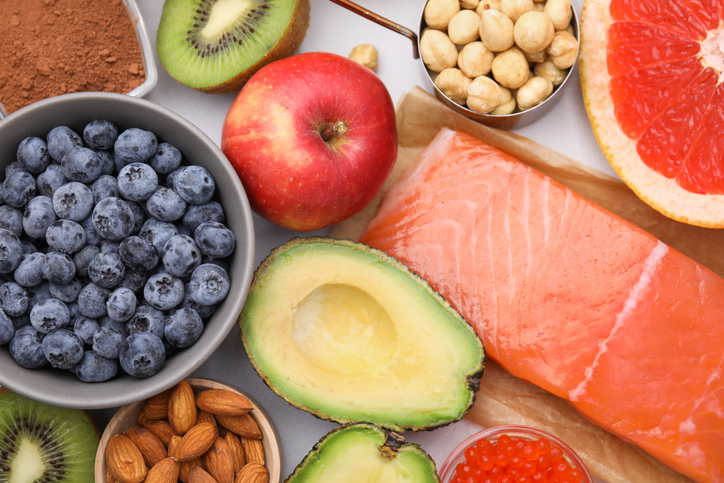
Fats are a good source of fuel for the body and help you grow. Fat does not make blood glucose go up but too much fat can make you gain weight. Some fats are better for you than others. Choose the types of fats that keep your heart healthy:

  • Small portions of low-fat salad dressing, mayonnaise, and margarine.
  • Small amounts of nuts, olives, and olive oil.
  • A slice of avocado.

Choose these high fat foods less often. They are not healthy for your heart:

  • Butter, stick margarine, and regular mayonnaise.
  • Fried foods like potato chips and french fries.
  • Meats with fat on them, bacon, deli meats, and hot dogs.
  • Cakes, cookies, pies, and other desserts.


Carbs

Carbs (carbohydrates) are a great source of energy for our bodies. Many foods contain carbs. Some are better for you than others. If you eat too many carbs at one time, your blood glucose may get too high. Learn to eat the right amount at meals and snack times to keep your blood glucose in balance. Choose carbs that have lots of fiber:

  • Whole grain foods—whole wheat bread and crackers, oatmeal, brown rice, and cereals.
  • Lentils and dried peas or beans such as kidney, black, white, split, or black-eyed. These foods are also a good source of protein.
  • Fresh fruits and vegetables from every color of the rainbow—red, orange, yellow, white, green, blue, and purple.
  • Other good sources of carbs include non- or low-fat dairy foods, soy milk, pasta, potatoes, corn, squash, and yams.

Choose these carbs less often:

  • white bread
  • white rice
  • sweetened fruit drinks
  • regular soda
  • sweets and desserts

This guide gives ideas about what kinds of foods are good for you.

The amount of food you need to eat each day varies with your age, sex, height, and activity level. The amounts given below are right for girls age 11 to 17 or boys age 11 to 14 who get 30 to 60 minutes of physical activity each day.

Your Healthy Food Guide

Vegetables:

Aim for 2 1/2 to 3 cups a day. Choose dark green and orange vegetables as often as you can. Here are choices that equal 1 cup:

  • 1 cup cut up raw or cooked vegetable
  • 2 cups leafy salad greens
  • 1 cup vegetable juice

Milk, Yogurt, and Cheese:

Aim for 3 cups a day. Here are choices that equal 1 cup:

  • 1 cup nonfat or low-fat milk or yogurt
  • 1 1/2 ounces cheese

Breads, Cereals, Rice, and Pasta:

Aim for 6 to 7 ounces a day. Choose whole grain foods for at least 3 of your 6 choices. Here are choices that equal 1 ounce: 

  • 1/2 cup of cooked cereal
  • 1/2 cup cooked rice or pasta
  • 1 cup ready-to-eat cereal
  • 1 slice of whole grain bread
  • 1/2 small bagel or 1 small muffin

Fruits:

Aim for 1 1/2 to 2 cups a day. Choose fresh whole fruits as often as you can. Here are choices that equal 1 cup:

  • 1 cup cut up raw or cooked fruit
  • 1 cup fruit juice
  • 1⁄2 cup dried fruit

Meat, Poultry, Fish, Dry Beans, Eggs, and Nuts:

Aim for 5 to 6 ounces a day. Here are choices that equal 1 ounce:

  • 1 ounce lean meat, fish, or chicken
  • 1 egg
  • 1 tablespoon peanut butter
  • 1/2 ounce nuts
  • 1/4 cup cooked dry peas or beans such as kidney, white, split, or blackeye
  • 1/4 cup tofu

Heart-Healthy Fats:

You get most of the fat your body needs from other foods you eat, so choose only a few extra servings each day. One serving is:

  • 1 teaspoon vegetable, olive, or canola oil
  • 1 teaspoon tub margarine
  • 5 large olives or 1/8 avocado
  • 1 tablespoon low-fat mayonnaise
  • 2 tablespoons low-fat salad dressing

Regular Soda, Candy, Cookies, and Desserts:

If you choose to eat these foods, have a very small amount and not every day.

Source: USDA (www.usda.gov)

Remember, this is only a guide. Ask your doctor or dietitian about making a meal plan just for you, especially if you need to lose weight. Being active and eating smaller amounts of food and fewer sweet or fatty foods can help you lose weight in a healthy way. You will keep your heart healthy, too.

It is best to spread your food out over the day. Eat breakfast, lunch, dinner, and a snack—check out your options with your doctor or dietitian. You will have a good supply of energy and you will not get too hungry.  


What about sugar, sweets, and desserts? Am I allowed to eat them?

Most people like the taste of sweet foods. Small amounts of foods that contain sugar can be part of a healthy meal plan. Desserts such as cakes, muffins, pies, cookies, and ice cream contain a lot of fat as well as sugar.

If you choose to eat any of these sweet foods, just have a small amount at the end of a healthy meal. Have a piece of fruit if you are still hungry. Avoid regular soda, sweetened fruit drinks, and sports drinks as they are all high in sugar. Drink water instead.

Put it all together!

Choose water to drink. Add slices of strawberry, cucumber or lemon for a low-calorie flavor boost.

Be physically active for at least 60 minutes every day.

Ask your health care team to help you make and use a healthy eating plan.

Keep screen time to two hours or less a day. This includes time watching TV, playing video or computer games and using the computer.

Learn about healthy foods and make healthy choices at each meal and snack.

Take the correct amounts of insulin or pills, if you need them to manage your diabetes, and check your blood glucose at the times planned with your health care team.


For More Information